





Planning a Trip to Siwa Oasis: An Introduction to Egypt’s Desert Paradise
Planning a trip to Siwa Oasis means stepping into a part of Egypt few travelers experience. Far from the crowds of Cairo and Luxor, Siwa is a remote desert paradise where culture, history, and nature intersect. Its ancient Berber traditions, crystal-clear salt lakes, mud-brick fortresses, and star-filled skies create an unforgettable experience.
This Siwa Oasis travel guide provides everything you need for a successful visit: cultural insights, practical tips, top sights, itineraries, and advice from local experts at Crossroads Travel Ltd. Whether you’re seeking wellness in therapeutic waters or adrenaline in the dunes, Siwa Oasis Egypt offers a blend of serenity and excitement. As a UNESCO-recognized cultural site, it draws adventurers who value authenticity over mass tourism.
In this guide, we’ll cover the essentials to help you plan seamlessly. From the best time to visit Siwa to how to visit Siwa Oasis safely, expect detailed recommendations backed by traveler experiences and local knowledge.
Key Highlights for Your Siwa Oasis Trip
- Unique Destination Appeal: A peaceful desert escape blending Berber culture, ancient history, and natural wonders like salt lakes and desert safaris.
- Best Time to Visit Siwa: October to April for mild 15–25°C weather, avoiding summer extremes.
- How to Visit Siwa Oasis: Affordable buses from Cairo (8–10 hours, $20–50 USD) or private transfers for comfort.
- Budget Overview: $200–400 USD for a 3-day trip, including eco-lodges, local meals, and guided activities.
- Safety & Etiquette: Generally safe with low crime; respect modest dress and cultural norms for positive interactions.
Table of Contents
The Heart of Siwa: Culture and Traditions
Siwa Oasis Egypt boasts a distinct identity, forged by centuries of isolation in the vast Sahara. The Siwi people, descendants of Berber nomads from North Africa, speak their own Amazigh (Berber-based) language alongside Arabic. This preserves a heritage that sets them apart from mainstream Egyptian culture. Life here revolves around community, with strong emphasis on hospitality and respect. Visitors often describe sharing tea with locals as a highlight of genuine warmth.


Tribal Law & Community
For generations, Siwa has been governed by tribal councils of elders rather than formal courts. This system resolves disputes through inherited wisdom, promoting fairness and unity. It’s a living example of how isolation has nurtured self-sustaining traditions. Travelers can observe this during festivals or community gatherings, gaining insight into Siwa’s cultural resilience.
Traditional Clothing and Local Style
Traditional attire reflects desert practicality and modesty. Men typically wear flowing tunics (jellabas) and turbans to shield from the sun. Women don colorful embroidered dresses adorned with intricate silver jewelry, often handmade locally. During festivals like the annual Siyaha (harvest celebration), these outfits shine, showcasing Siwa’s pride in its Berber roots. Travelers are encouraged to dress modestly to honor local norms; long sleeves and pants for both genders help blend in respectfully. Purchasing local jewelry supports artisans and adds a personal souvenir to your Siwa Oasis travel guide experience.


The Role of Women in Siwa Society
Siwan women often lead more private lives, with many wearing face veils as a cultural symbol tied to family honor. Yet, they are pivotal in preserving heritage through crafts, weaving, and culinary traditions. Women’s cooperatives produce exquisite embroidery and jewelry, offering visitors a chance to support local economies. This dynamic adds depth to Siwa’s cultural tapestry, highlighting women’s essential contributions behind the scenes. Engaging with these cooperatives during your visit provides authentic interactions and empowers community initiatives.

Flavors of Siwa: Local Cuisine
Siwa’s cuisine is simple, hearty, and rooted in its bountiful date and olive groves; the oasis produces some of Egypt’s finest varieties. Meals emphasize fresh, local ingredients, often shared communally to embody hospitality. Exploring Siwa Oasis Egypt food scenes reveals flavors influenced by Berber and North African traditions.
Must-try dishes include:
- Dates & Olives: Siwa’s signature produce; try fresh dates stuffed with nuts or olive oil drizzled on bread for a quick snack.
- Tagine-Style Dishes: Slow-cooked in clay pots, featuring lamb or chicken with vegetables like onions, tomatoes, and spices—vegetarian options abound with seasonal produce.
- Shakshouka: A flavorful breakfast of eggs poached in a spicy tomato sauce, often spiced with cumin and chili for a kick.
- Date Desserts: Such as basbousa (semolina cake) infused with dates, paired with strong herbal tea to end meals sweetly.
For an authentic experience, dine at local spots like those near Cleopatra’s Spring, or join a Crossroads tour for home-cooked meals with Siwi families. Siwa’s food scene is budget-friendly, with meals costing $10-20 USD. Vegetarians will find plenty of options, as dates and olives form the base of many dishes. Health-conscious travelers appreciate the organic, farm-fresh quality.e hospitality.

Things to Do in Siwa: Must-See Sights
Siwa Oasis attractions blend history, nature, and adventure, creating a paradise for explorers. Here’s a curated list of top spots in this Siwa Oasis travel guide.
1. Salt Lakes: Therapeutic Floating Experiences
Siwa’s crystal-clear salt lakes, like Birket Siwa and Taghaghien, offer a Dead Sea-like floating experience due to high salinity. Therapeutic for skin conditions, they’re perfect for relaxation—entry is often free, but guided tours ensure safety. Float under the desert sun and capture surreal reflections for your travel memories.


2. Oracle Temple of Amun: Ancient Historical Site
Dating to the 6th century BC, this temple is where Alexander the Great was declared the son of Zeus. Walking through its ruins is like stepping back in time. Admission around $5 USD; combine with a guided history tour for deeper insights.
3. Shali Fortress: Iconic Mud-Brick Citadel
The old mud-brick fortress of Shali rises in the center of town. Though partially ruined, it offers breathtaking views over the oasis and is a reminder of Siwa’s unique desert architecture. Climb for panoramic photos at sunset.


4. Cleopatra’s Spring: Legendary Natural Pool
Legend has it that Queen Cleopatra herself once bathed here. Today, travelers cool off in this natural spring surrounded by palm groves and cafes. It’s an ideal spot for a refreshing dip after exploring.

5. Mountain of the Dead: Ancient Tombs and Mysteries
Gebel al-Mawta features rock-cut tombs from ancient times, providing a glimpse into Siwa’s burial practices. Explore with a guide to uncover stories of pharaohs and locals.
Other gems include the Siwa House Museum showcasing Berber artifacts and the hot springs for wellness soaks. These things to do in Siwa cater to history buffs and nature lovers alike.
Adventure in the Desert: Thrilling Experiences
No trip to Siwa Oasis Egypt is complete without venturing into the Great Sand Sea. A desert safari here is pure adrenaline, with endless dunes stretching toward the horizon.
- Sandboarding Down Dunes: Slide down golden slopes for excitement and stunning views; equipment often included in tours.
- Jeep Rides Across Landscapes: Traverse remote areas, stopping at hidden hot springs like Bir Wahed for a soak.
- Sunset Watching Over Horizons: Dunes transform in shades of gold and pink, perfect for photography enthusiasts.
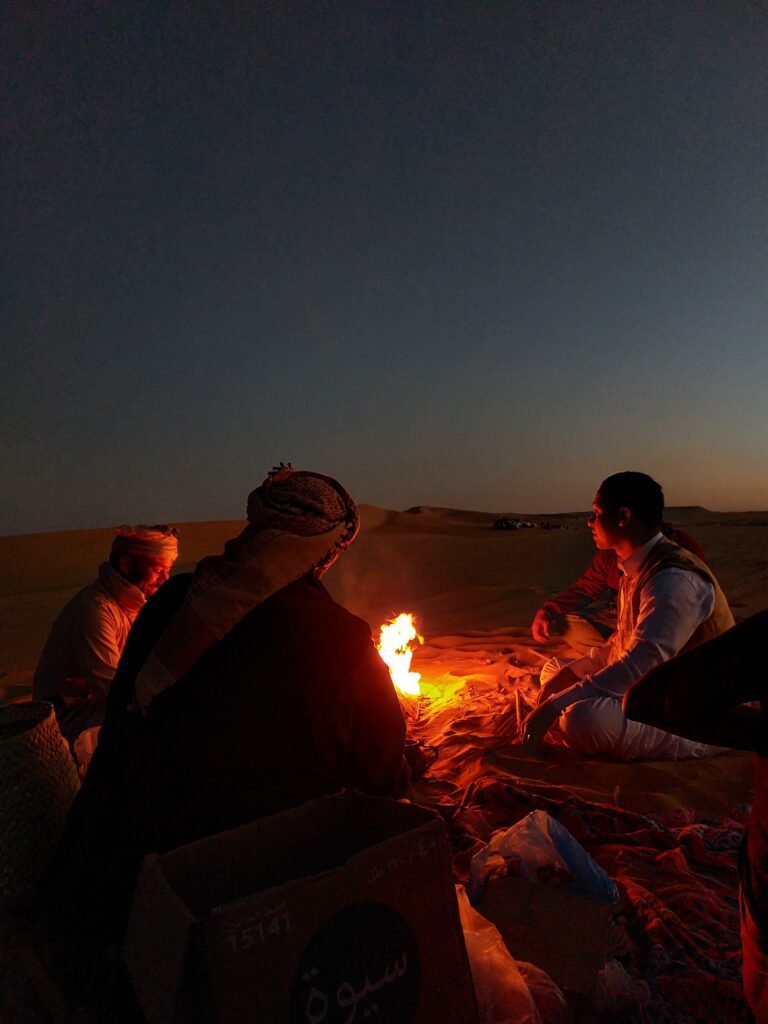
- Stargazing and Overnight Camping: Camp under a million stars, where silence is broken only by the crackle of the fire; ideal for astronomy lovers.
Safaris cost $50-100 USD per person, including permits for border-proximate areas. Book with Crossroads for expert guides ensuring safety; permits and escorts are mandatory for deeper excursions. These adventures highlight Siwa’s raw beauty and add thrill to your Siwa Oasis travel guide itinerary.


Best Time to Visit Siwa Oasis
The optimal period for your Siwa Oasis travel guide is October to April, with daytime temperatures of 15-25°C (59-77°F) ideal for exploration. Summers (May-September) hit 25-40°C (77-104°F), making outdoor activities challenging. Spring and fall offer mild weather for festivals and fewer crowds. Avoid Ramadan if possible, as services may be limited.
Weather can vary, so check forecasts via reliable sources like the Egypt Meteorological Authority. Winter evenings cool down, so pack layers for comfort during stargazing. This timing ensures you experience Siwa’s attractions without heat exhaustion.
| Month | Average Temp (°C) | Best For | Potential Drawbacks |
|---|---|---|---|
| October-March | 15-25 | Sightseeing, mild days, desert safaris | Cooler nights; pack layers |
| April-September | 25-40 | Avoid due to extreme heat | High temperatures limit activities |
| Year-Round | Varies | Salt lake therapy, cultural festivals | Check for Ramadan impacts |
How to Get to Siwa Oasis
Reaching Siwa requires planning due to its remoteness (700km from Cairo). The most common route is by bus from Cairo (8-10 hours, $20-50 USD via Siwa Bus or West Delta). Private transfers offer comfort for $150-200 USD. From Alexandria (650km, ~8 hours) or Marsa Matruh (300km, ~4 hours), buses or taxis work. No direct flights; nearest airport is Marsa Matruh for seasonal charters.
Checkpoints are standard; carry your passport. For seamless travel, Crossroads arranges door-to-door transport, including 4×4 options for rugged roads. Download offline maps like Google Maps for navigation, as signal can be spotty.
Visa, Safety, and Etiquette in Siwa
Egypt requires a visa for most visitors (e-visa online or upon arrival, $25 USD, valid 30 days). Siwa is generally safe, with low crime and welcoming locals, but proximity to Libya means regulated desert travel—always use guides. Respect conservative dress (cover shoulders/knees) and customs. Women travelers report positive experiences but suggest group travel for solos. Health-wise, drink bottled water and use sunscreen.
Etiquette tips: Greet with “Salam Alaikum,” ask permission before photographing people, and tip modestly for services. These practices enhance your interactions in Siwa Oasis Egypt.
Accommodation Options in Siwa
Options range from budget guesthouses to eco-lodges, emphasizing sustainability and local materials.
- Budget Stays: Mountain Camp Ali Khaled, budget-friendly camp with natural hot springs, lively atmosphere, and mountain views.
- Mid-Range Resorts: Taghaghien Island Resort, island retreat surrounded by salt lakes, offering rustic comfort and scenic tranquility.
- Eco-Luxury Lodges: Adrère Amellal is an exclusive eco-luxury lodge built from natural materials, offering a candle-lit, unplugged desert experience.
Contact us for booking at any of these places with competitive prices.
| Budget | Mountain Camp Ali Khaled | $30-50 | budget-friendly camp with natural hot springs, lively atmosphere, and mountain views. |
| Mid-Range | Taghaghien Island Resort | $50-80 | surrounded by salt lakes, offering rustic comfort and scenic tranquility. |
| Eco-Luxury | Adrère Amellal | $500-1200 | built from natural materials, offering a candle-lit, unplugged desert experience. |
Sample Itinerary for Siwa Oasis
Tailor your trip based on duration for the best experience in this Siwa Oasis travel guide.
3-Day Itinerary: Quick Escape
- Day 1: Arrive via bus, explore Shali Fortress and Cleopatra’s Spring; evening tea with locals.
- Day 2: Float in salt lakes, visit Oracle Temple, afternoon jeep safari with sandboarding.
- Day 3: Siwa House Museum, shop for crafts, depart with memories.
Check out our curated 4 days – 3 nights Siwa tour.
Budget Breakdown for a Siwa Trip
Plan affordably with this overview for a 3-day solo trip. Costs can vary by season and group size.
- Transportation: $20-50 (bus) or $150-200 (private).
- Accommodation: $30-100/night, depending on type.
- Meals: $10-20/day for local eateries.
- Activities: $50-100 for safaris and entries.
- Miscellaneous: $20-50 for visas, tips, and souvenirs.
Total: $200-400 USD, excluding international flights. Budget extra for guided tours to enhance safety.
| Transport (Cairo-Siwa) | 20-50 | Bus/transfer | Book GoBus early |
| Accommodation (per night) | 30-100 | Budget to luxury | Share rooms |
| Meals (daily) | 10-20 | Local tagine and dates | Eat at markets |
| Activities/Safari | 50-100 | Includes sandboarding | Group tours reduce costs |
| Total for 3 Days | 200-400 | Excludes flights | Use cash for bargains |
Sustainable Travel Tips in Siwa
Siwa’s fragile ecosystem needs protection; use eco-lodges, avoid plastic, support local crafts. Respect water sources and limit off-road driving to preserve dunes. Follow designated paths and respect cultural customs. Purchase from women’s cooperatives to boost community economies. These practices ensure Siwa remains pristine for future visitors.
Frequently Asked Questions About Siwa Oasis
-
Is Siwa Safe for Solo Travelers?
Yes, but join groups for desert trips and follow local advice.
-
What to Pack for Siwa Oasis Egypt?
Modest clothes, hat, reusable bottle, sunscreen, and cash; ATMs are limited.
-
How Many Days Needed for Things to Do in Siwa?
At least 3 for immersion, 5 for full adventures.
-
Are There Vegetarian Options?
Abundant, with date-based dishes and fresh produce.
Why You Should Visit Siwa Now
What makes Siwa Oasis so special is how untouched it still feels. Unlike Egypt’s main tourist sites, Siwa remains authentic, peaceful, and deeply rooted in tradition. Visiting isn’t just sightseeing; it’s a cultural immersion.
And with its blend of history, culture, wellness (salt lakes, hot springs), and adventure, Siwa is a destination that appeals to every type of traveler.


Plan Your Siwa Adventure with Crossroads
At Crossroads Travel Ltd, we believe the best journeys are those that bring you closer to the heart of a place. Our Siwa tours are designed to let you experience not just the sights, but also the culture, traditions, and everyday life of this incredible oasis.
Whether you dream of floating in salt lakes, exploring ancient temples, or sharing tea with locals under a desert sky; Siwa is waiting for you!